






Giving a child the gift of a second language is one of the most valuable investments a parent can make. While the journey requires patience and consistency, the rewards extend far beyond simply knowing more vocabulary words. It shapes the way a child thinks, connects with others, and views the world. In today’s blog post we will talk about the benefits of being bilingual
Learn English with EnglishCentral Kids
Every child learns best when lessons are fun, engaging, and tailored to their needs — and that’s exactly what EnglishCentral Kids delivers. With expert teachers, interactive videos, and AI-powered tools, kids not only learn English but also gain the confidence to use it in school and everyday life.
EnglishCentral Kids offers 25-minute one-on-one lessons with friendly and experienced teachers who specialize in working with children. These live sessions are designed to make learning enjoyable while focusing on the child’s level, pace, and interests. Kids also have the chance to join 40-minute group lessons, where they can practice English through games, discussions, and activities with classmates from around the world.
To keep learning exciting outside of lessons, children can explore interactive videos created especially for young learners. With the Watch, Learn, Speak method, kids practice listening, speaking, and comprehension in a way that feels more like play than study.
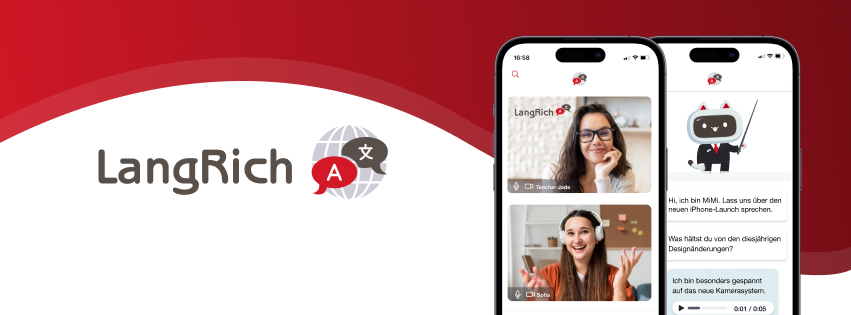
The experience is supported by MiMi, our AI-powered teacher, who helps children practice conversations anytime. Whether it’s roleplaying a trip to the zoo or ordering an ice cream, MiMi makes practice fun and interactive. After each session, personalized reports highlight the child’s progress, so parents can see how their child is improving step by step.
In addition, kids benefit from quizzes, vocabulary games, and word exercises that reinforce what they’ve learned. These activities turn study time into a rewarding experience that builds both language skills and self-confidence.
With EnglishCentral Kids, learning English goes beyond textbooks. Children finish their school homework more easily, speak without fear of mistakes, and achieve fluency in a supportive environment. Most importantly, they discover that learning English can be both fun and inspiring — a skill that will benefit them for life.
Why Is Bilingual Education Important?
We all know the word becoming more interconnected every year with social media and transportation developments. In our increasingly interconnected world, bilingualism is no longer just a “nice-to-have” skill; it is a powerful tool for personal and intellectual growth.
Bilingual education capitalizes on the brain’s incredible neuroplasticity during childhood. Young brains are uniquely designed to absorb language patterns naturally. By introducing a second language early, we aren’t just teaching them to speak; we are optimizing their brain development, fostering openness to new cultures, and preparing them for a globalized future.
Benefits of Bilingual Education
Research consistently shows that bilingual children enjoy advantages that their monolingual peers may not. Here are the key benefits, ranging from cognitive brain boosts to future career advantages.
Improved Problem-Solving Skills
Bilingual brains are constantly working out. Because they have to select the right word from two different languages while suppressing the other, the brain executes a continuous “mental gym” session. This strengthens the executive functions, leading to better logic, pattern recognition, and problem-solving abilities in non-verbal tasks.
Enhanced Cognitive Flexibility and Task Switching
Children who speak two languages are used to switching back and forth between different rule structures. This ability transfers to general life tasks; bilingual children are often better at multitasking and adapting to changing environments or new rules quickly.
Stronger Focus and Attention Control
Because a bilingual child must focus on the target language and filter out the interference of the second language, they develop superior “inhibitory control.” This means they are often better at blocking out distractions in a noisy classroom and focusing intently on the task at hand.
Greater Academic Achievement Across Subjects
Contrary to the myth that two languages cause confusion, bilingualism often supports academic success. Studies show that bilingual students frequently outperform monolingual students in standardized tests, particularly in math and reading comprehension, because of their advanced abstract thinking skills.
Delayed Onset of Age-Related Cognitive Decline
The benefits of bilingualism last a lifetime. Research suggests that the constant brain activity required to manage two languages builds a “cognitive reserve.” This can delay the onset of symptoms of dementia and Alzheimer’s disease by several years compared to monolingual speakers.
Deeper Connection to Heritage and Family
For families with roots in other countries, language is the bridge to grandparents, cousins, and cultural history. Speaking the heritage language ensures that the child feels a sense of belonging and can communicate directly with extended family members, preserving emotional bonds that might otherwise be lost.
Increased Empathy and Cultural Awareness
Language is a lens through which we see culture. When a child learns a new language, they also learn a new way of viewing the world. This fosters “Theory of Mind”—the ability to understand that others have different perspectives, beliefs, and desires—leading to greater empathy and social tolerance.
Wider Social Network and Communication Opportunities
Simply put, speaking two languages doubles the number of people a child can interact with. It allows them to make friends from different backgrounds, navigate travel with ease, and consume media (books, movies, music) in its original form.
Greater Self-Esteem and Sense of Identity
Mastering a second language is a significant achievement. As children grow and realize they possess a unique skill that others may not, it boosts their confidence. It helps them develop a strong, multifaceted identity.
Better Understanding of Language Structure (Metalinguistic Awareness)
Bilingual children understand how language works earlier than others. They realize that words are just symbols for objects. This “metalinguistic awareness” makes it significantly easier for them to learn a third or fourth language later in life.
Increased Marketability in the Global Economy
Looking toward the future, bilingualism is a massive asset on a resume. Companies are increasingly global and seek employees who can bridge cultural and linguistic gaps. Being bilingual opens doors to higher-paying positions and roles that require international communication.
Higher Potential for International Job Opportunities
Beyond just getting hired, knowing a second language allows for mobility. It provides the freedom to live, work, and study abroad, giving your child the option to build a life and career in multiple countries.
Access to a Wider Range of Information Sources
Monolinguals are limited to news, research, and entertainment in one language. Bilinguals can access a broader spectrum of information, allowing them to verify facts, enjoy foreign literature, and gain a more complete picture of current events.

Frequently Asked Questions About Bilingualism
Lets Look At some questions that are commonly asked about bilingualism.
At what age should I start raising my child bilingually?
The earlier the better. Research suggests the brain is most receptive to language learning from birth to age three. Starting early ensures that the child perceives both languages as native, rather than viewing the second language as something they have to “learn” later. However, children are receptive to language acquisition throughout their school years, so it’s never too late to start.
Does bilingual education cost more than standard education?
Not necessarily. While immersion or private bilingual schools may have a higher cost, many families successfully raise bilingual children using free resources at home (books, public libraries, cultural activities) and through standard public schooling supplemented by consistency from the parents. Parental consistency is the biggest investment.
Will learning two languages confuse my child or cause speech delay?
This is a common myth. While bilingual children may sometimes mix words from two languages in the same sentence (known as code-switching), this is a normal developmental stage and is a sign of advanced language management, not confusion. Studies have shown that bilingualism does not cause permanent speech delay. If a child has a language delay, it will manifest regardless of how many languages they are learning.
What is the best method for teaching my child two languages?
The most popular and effective methods include:
- One Parent, One Language (OPOL): Each parent consistently speaks only one language to the child.
- Minority Language at Home: The minority language (the one not spoken in the community/school) is spoken exclusively at home.
- Time and Place: Languages are segmented by location or activity (e.g., French is only spoken at school; Spanish is only spoken during dinner). Consistency is the most crucial factor for success in any method.
You can access everything your child needs to learn English on a single platform! With 25-minute live lessons guided by teachers specialized in child education, entertaining and instructive interactive videos designed for child development, vocabulary learning tools, the AI Tutor MiMi, quizzes, and interactive activities, EnglishCentral Kids offers a personalized and quality education plan tailored to your child’s needs at affordable prices. How about registering for EnglishCentral Kids now and starting your child’s English learning journey?